Students at Bath-based Norland University are gaining valuable experience working with families raising twins, triplets and quadruplets through a longstanding partnership with national charity Twins Trust.
The partnership, which began in 2014, gives Norland students and graduates the opportunity to volunteer with families facing the particular challenges of caring for multiple children. Since its launch, volunteers have completed 337 home visits, providing 3,879 hours of practical support to families across England and Wales.
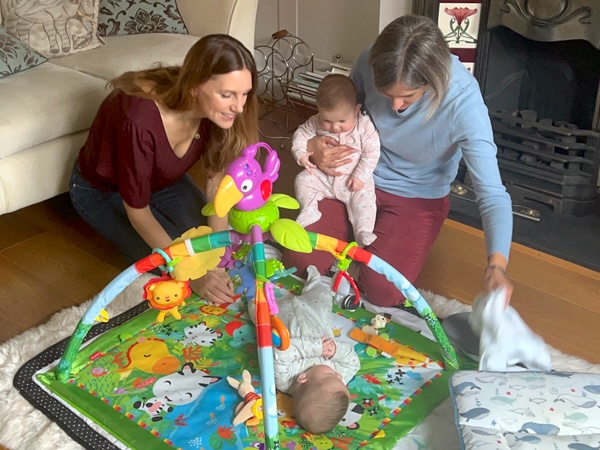
The programme has recently expanded to include current Norland students, giving them the opportunity to put their specialist early years training into practice while helping parents who may be experiencing challenging circumstances. Volunteers provide practical assistance and reassurance, supporting families with everyday routines and helping parents develop the confidence to manage the demands of caring for multiple children.
The initiative is part of Twins Trust’s In-Home Support service, formerly known as Family Crisis Support, which provides tailored assistance to families experiencing difficulties ranging from perinatal mental health challenges to complex family circumstances. The service focuses on helping parents develop practical strategies and greater independence, with support designed around each family’s individual needs.
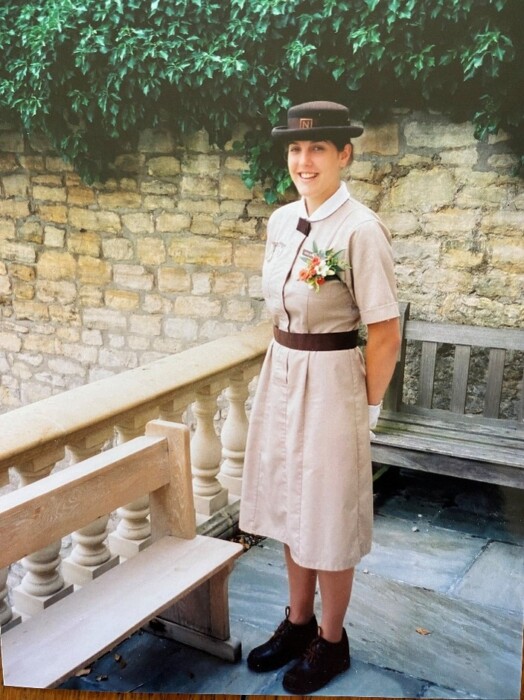
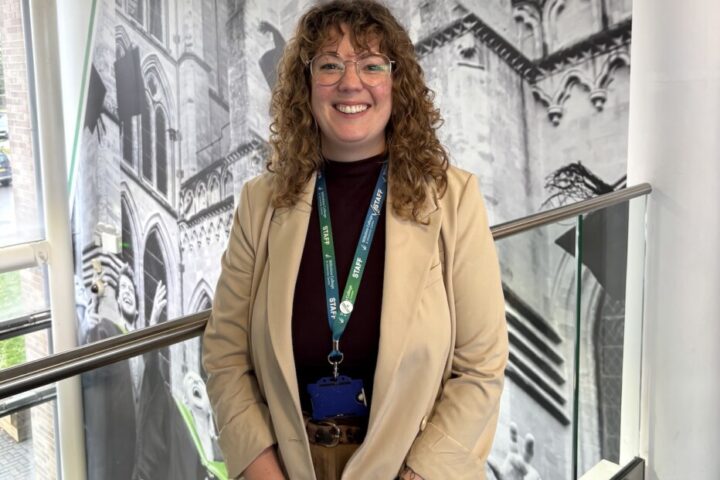
Two Norland graduates are now helping lead the programme. Gemma, Head of In-Home Support at Twins Trust, and Jo, an In-Home Support Practitioner, both trained as Norland Nannies before developing careers supporting children and families in a range of settings.
Gemma welcomed the expansion of volunteering opportunities to current students, saying, “It’s been really beneficial to open it up to students as well and give them some opportunities. They’ve been amazing. It has really increased our volunteer capacity and the amount of hours they’ve been able to give has been brilliant. It’s been a really positive step over this last year.”

Jo explained that working with families with multiple births offers students valuable experience, particularly when supporting parents of triplets for the first time.
“It’s been great to see the students’ training in practice and get to know where they are with it. If it’s a student’s first time going in to support triplets, it can feel a little bit overwhelming, but we’re there to reassure them they have the knowledge they need.”
The support can make a significant difference to families who find everyday activities particularly challenging. Gemma explained that tasks such as preparing to leave the house can become overwhelming when caring for several young children, particularly when parents are also experiencing mental health difficulties or other pressures.
“A massive part of our work is modelling and confidence building. Having somebody in your home who can reassure you and help you build confidence can make such a difference,” she said.
The partnership continues to provide an important opportunity for the next generation of Norland-trained childcare professionals to develop their skills while making a practical difference to families with twins, triplets and quadruplets.
For more information, visit www.norland.ac.uk.