Wiltshire specialist school Silverwood is helping mainstream schools develop more inclusive classrooms, with the message that supporting children with special educational needs and disabilities (SEND) can benefit every pupil.
As increasing numbers of families seek answers about their children’s learning needs, the debate around neurodiversity and SEND provision in schools continues to grow. While a diagnosis can help parents better understand their child’s needs and access appropriate support, there are also concerns about the additional pressures being placed on mainstream schools.

However, Emma Rossiter, Head of SEND Consultancy at Silverwood School in Wiltshire, believes supporting children with additional needs should not come at the expense of other pupils.
“Every child should have the opportunity to belong, learn and thrive,” said Emma. “The challenge is to ensure schools have the expertise and support to make that possible. High-quality inclusive teaching is beneficial for every pupil.”
Turning SEND reforms into classroom support
The Government’s Schools White Paper, Every Child Achieving and Thriving, published in February 2026, sets out proposals for significant changes to how schools support children with SEND.
These include a new four-level framework of Universal, Targeted, Targeted Plus and Specialist support, designed to help more children access appropriate provision in mainstream schools while ensuring specialist help remains available for those with more complex needs.
The proposals also include Individual Support Plans (ISPs) to provide clearer records of children’s needs, support and progress, while Education, Health and Care Plans (EHCPs) would remain for children with the most complex needs.
For Emma, the challenge is ensuring these proposals lead to meaningful improvements in everyday classroom teaching.
“In my view, mainstream schools have made progress in inclusion and support for pupils with SEND, but parts of the system remain reliant on standardised teaching, assessment and rigid structures that do not meet the needs of all learners,” she said. “Childhood has changed, and some of the fundamental values and practices in schools need to evolve too.”
“Inclusion and high standards should not be seen as competing priorities. When teachers understand how children learn, recognise barriers early and have practical strategies to address them, they are better equipped to support a diverse classroom.
“That does not mean every child needs the same approach; it means every child deserves the opportunity to succeed.”
Why inclusive teaching benefits everyone
Inclusive teaching recognises that children learn in different ways and gives teachers practical strategies to make lessons more accessible and engaging.
Simple approaches such as clear instructions, predictable routines, flexible ways of demonstrating understanding and carefully considered classroom environments can help neurodivergent pupils while also supporting other children.
Although some pupils will continue to need specialist interventions, inclusive teaching can provide a strong foundation for learning across the classroom.
“A better-trained workforce has the potential to improve outcomes for all learners by increasing staff confidence, strengthening inclusive practice and helping teachers respond effectively to a wider range of needs,” explained Emma.
Silverwood shares specialist expertise
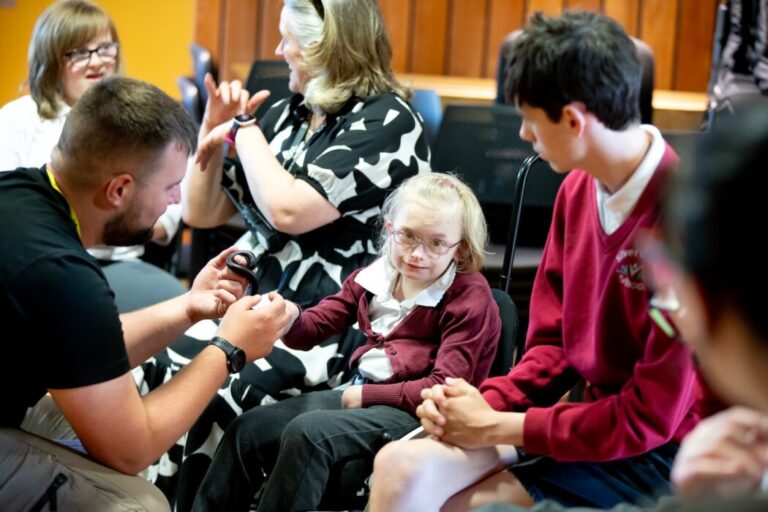
Emma leads Silverwood School’s SEND consultancy services, offering training, coaching and practical support to schools, local authorities, multi-academy trusts, colleges, universities and other organisations.
Drawing on the school’s extensive experience of supporting children and young people with additional needs, the consultancy provides bespoke workshops, training sessions and full INSET days, alongside pupil-focused interventions, action plans and leadership coaching.
The aim is to help teachers develop the confidence and skills to support diverse classrooms, enabling more children to learn successfully within their local communities.
Silverwood School is a co-educational special school for children and young people aged four to 19 and is one of the largest special schools in England.
For more information about Silverwood’s SEND consultancy services, visit https://www.silverwood.wilts.sch.uk/send-consultancy/sen-services or email email hidden; JavaScript is required.