Visitors to No. 1 Royal Crescent will soon be able to enjoy a brand-new garden designed to celebrate Bath’s natural landscape while providing a tranquil place to relax in the heart of the city.
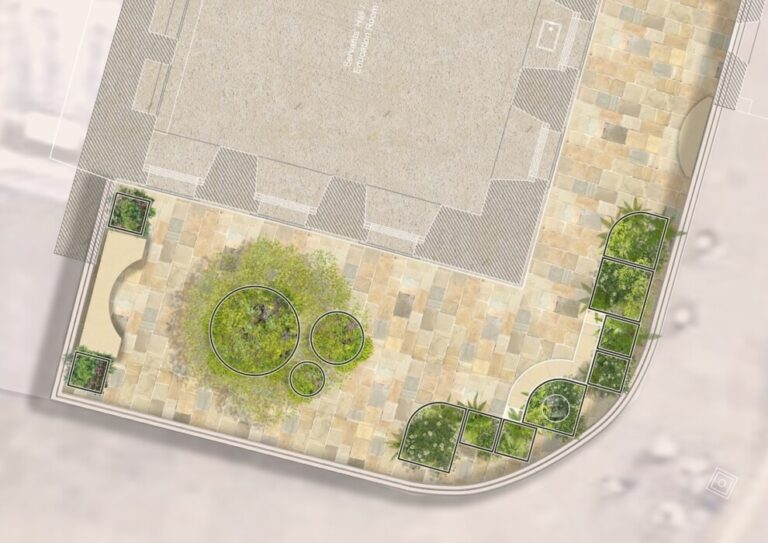
The award-winning museum has announced plans to create a permanent Contemporary Georgian Garden, transforming an underused courtyard into a green oasis inspired by the plants and landscapes that surround Bath.
The new feature will become part of the museum’s main visitor route and will include a stone bench where visitors can sit and enjoy views of both the garden and the iconic curve of the Royal Crescent.
Designed in collaboration with Grant Associates, the garden will use container planting inspired by Charles Babington’s Flora Bathoniensis, a record of plant species native to the Bath area first published in 1834.
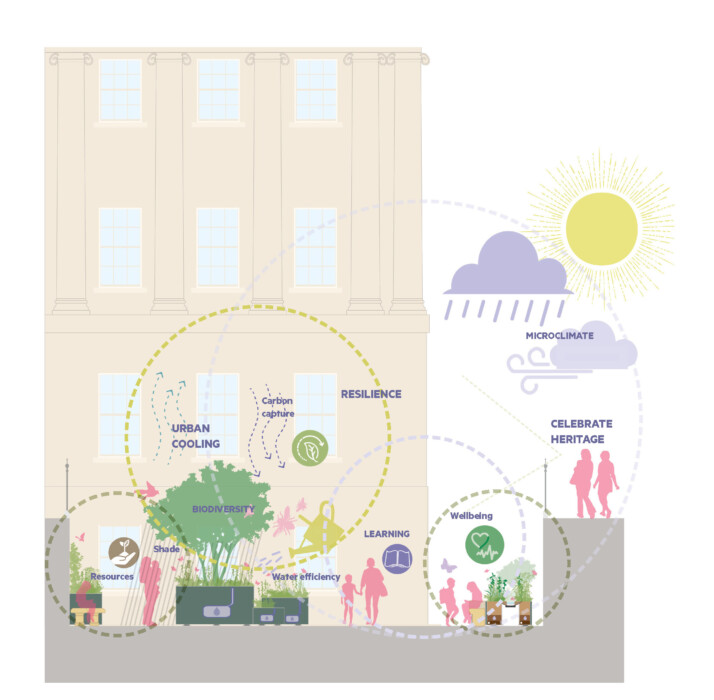
As well as enhancing the visitor experience, the project aims to demonstrate how urban spaces can be transformed into greener environments that benefit both people and wildlife.
Alex Sherman, CEO of Bath Preservation Trust, which runs the museum, said, “We are excited to be extending our museum experience with the addition of this immersive garden space to be enjoyed by visitors and the many schools and community groups we work with.
“The new garden provides opportunities for storytelling about botany in the 18th Century, plant hunters, colonial expansion and horticultural history, in addition to domestic, medicinal and culinary uses of plants found locally in the Georgian period. We are immensely grateful to the Anthony and Elizabeth Mellows Charitable Settlement for their kind donation, which has enabled its creation.”
Joanna Robinson, Design Conservation and Sustainability Manager at Bath Preservation Trust, said, “Bath was designed in harmony with the landscape and plant choices for this garden will exemplify the character of the countryside surrounding the World Heritage Site.
“An even greener city would benefit everybody and has potential for wide-reaching positive impacts for carbon capture, air quality, urban cooling, health, wellbeing and wildlife.”
She added that the project would showcase how underused urban spaces can be transformed into biodiverse growing areas and inspire others to create their own green spaces.
The garden is expected to be installed later this year and will provide another reason for families and visitors to explore one of Bath’s most famous landmarks.